Water intrusion compromises structural materials within hours, not days, and the humid subtropical climate in Miami Gardens accelerates mold colonization and material degradation. Joseph Plumbing, LLC offers water damage restoration that addresses both the visible flooding and the saturation hidden inside wall cavities and subfloor assemblies. You'll see extraction equipment removing standing water, dehumidification systems running continuously, and moisture meters tracking dryness levels in materials that appear dry to the touch but still hold enough moisture to support microbial growth.
Restoration involves identifying the water source, stopping the intrusion, extracting standing water, drying affected materials to measurable thresholds, and documenting moisture levels throughout the process. The service addresses supply line failures, drain overflows, fixture leaks, and storm-related intrusion that saturates flooring, drywall, insulation, and framing. High humidity levels in Miami Gardens mean materials dry slower than in arid climates, requiring longer dehumidification cycles and more aggressive air movement to prevent secondary damage.
Schedule a property assessment to measure moisture levels in affected areas and establish a drying timeline.
Stopping Further Damage After Water Intrusion
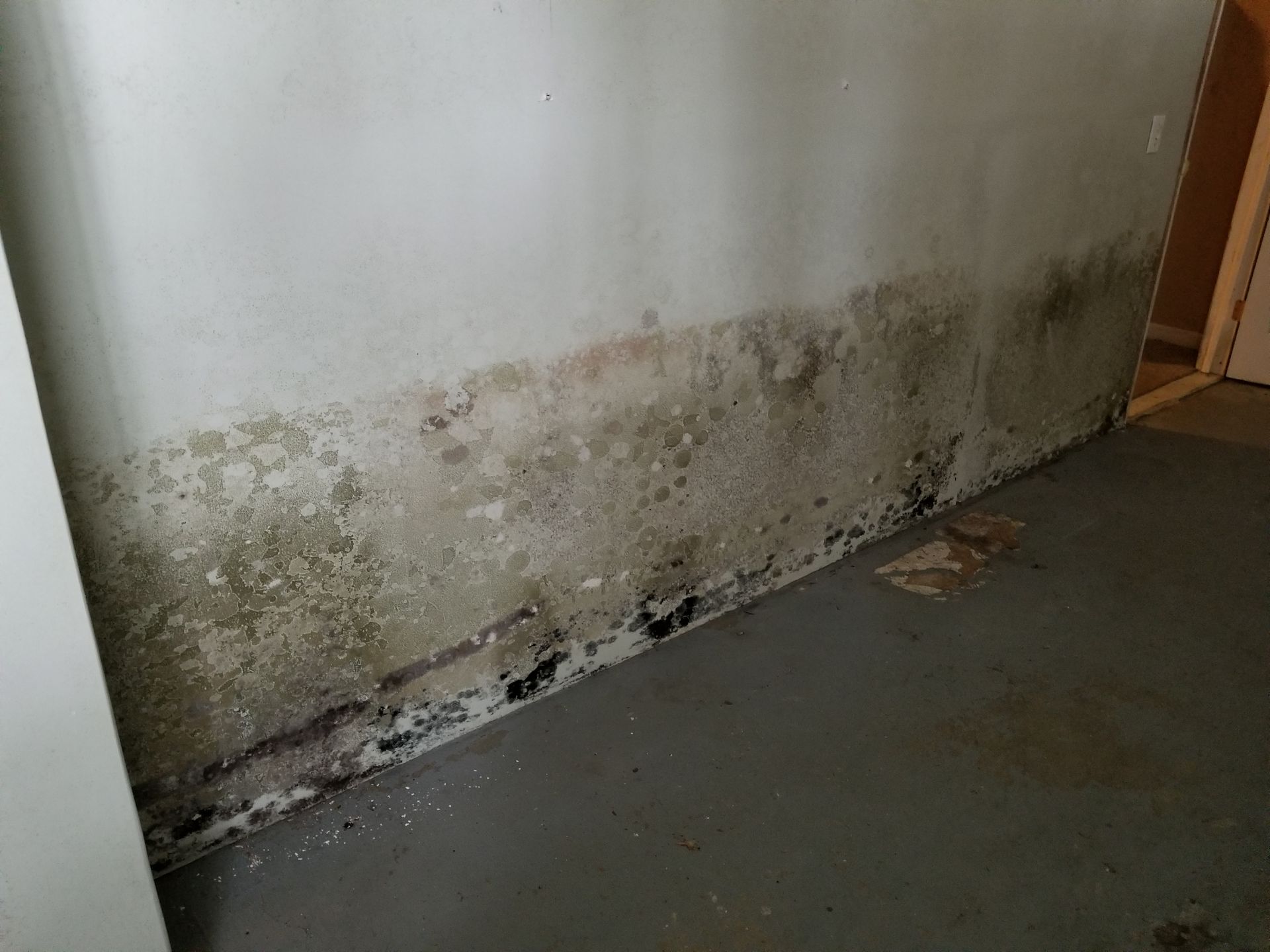
Water Damage Restoration in Miami Gardens for visible flooding, ceiling stains, and structural saturation after plumbing failures
What Happens During the Drying Process
Restoration begins with moisture mapping using calibrated meters that measure water content in wood framing, drywall, and concrete slabs, establishing baseline readings that guide equipment placement and drying duration. Air movers direct high-velocity airflow across wet surfaces to increase evaporation rates, while commercial dehumidifiers remove moisture from the air to maintain vapor pressure gradients that pull water out of materials. Antimicrobial treatments may be applied to surfaces exposed to category two or three water sources, and infrared cameras detect hidden saturation behind finishes that look dry but retain enough moisture to cause problems later.
Once drying is complete, you'll notice floors and walls return to normal moisture levels, musty odors dissipate, and materials regain structural stability without the softness or discoloration caused by prolonged saturation. Joseph Plumbing, LLC documents final moisture readings to confirm materials have returned to industry-standard dry thresholds. Baseboards may need removal to dry wall cavities properly, and carpet padding is often discarded because it holds water longer than surface materials and rarely dries without developing odor or supporting mold growth.
The speed of response determines how much material can be saved versus replaced, and monitoring throughout the process ensures drying reaches completion rather than leaving pockets of moisture that reactivate weeks later. Miami Gardens properties with tile flooring over concrete slabs require longer drying times because water migrates through grout lines and remains trapped under impermeable surfaces, requiring specialized drying mats or controlled demolition to access saturated areas.
Questions Property Owners Ask About Water Damage
Water damage restoration in Miami Gardens requires understanding how local humidity affects drying timelines and what equipment is necessary to reach completion without leaving moisture-related problems behind.
What determines how long drying takes?
Material type, saturation depth, and ambient humidity control drying duration, with dense materials like hardwood and concrete requiring days longer than drywall or carpet, and Miami Gardens humidity extending timelines compared to drier climates.
How do you know when materials are actually dry?
Moisture meters provide numerical readings that indicate when wood, drywall, and concrete have returned to normal moisture content levels, typically below fifteen percent for wood framing and below one percent for concrete slabs.
Why does restoration require removing baseboards and cutting into walls?
Water wicks upward inside wall cavities and remains trapped behind vapor barriers and finished surfaces, requiring access points for air movement and direct measurement to confirm interior materials have dried completely.
What happens if water sits for more than twenty-four hours?
Mold colonization begins within that window, and structural materials lose integrity as saturation continues, requiring more aggressive antimicrobial treatment and increasing the likelihood that materials need replacement rather than drying and salvage.
Does insurance require documentation of the drying process?
Most carriers require daily moisture logs, equipment placement records, and final readings to verify that drying reached completion and that restoration followed industry standards for water mitigation and structural drying.
Joseph Plumbing, LLC provides detailed moisture documentation and uses commercial-grade drying equipment calibrated for Miami Gardens humidity conditions. Arrange an on-site evaluation to assess current moisture levels and establish a restoration plan tailored to the specific materials and saturation patterns in your property.